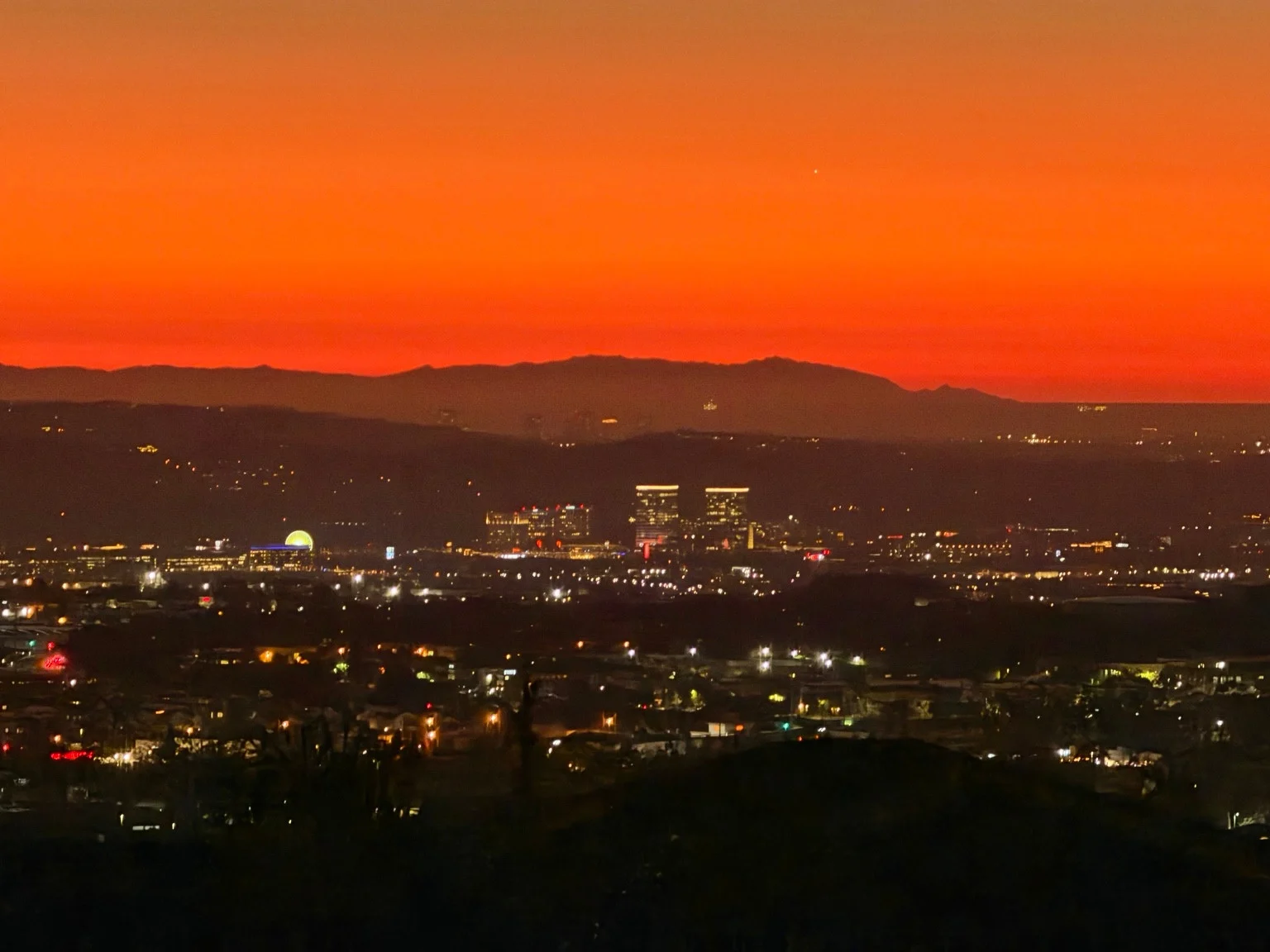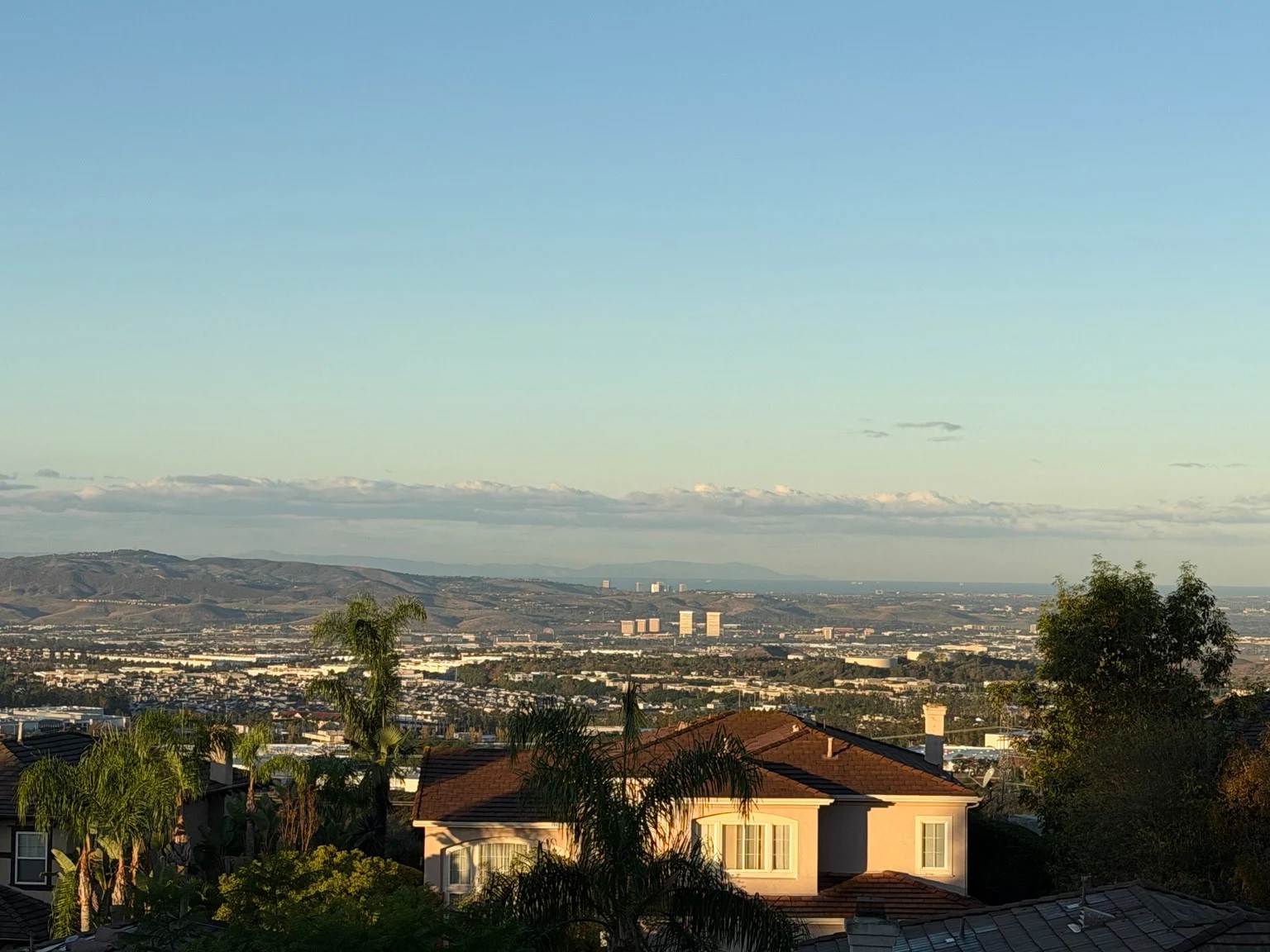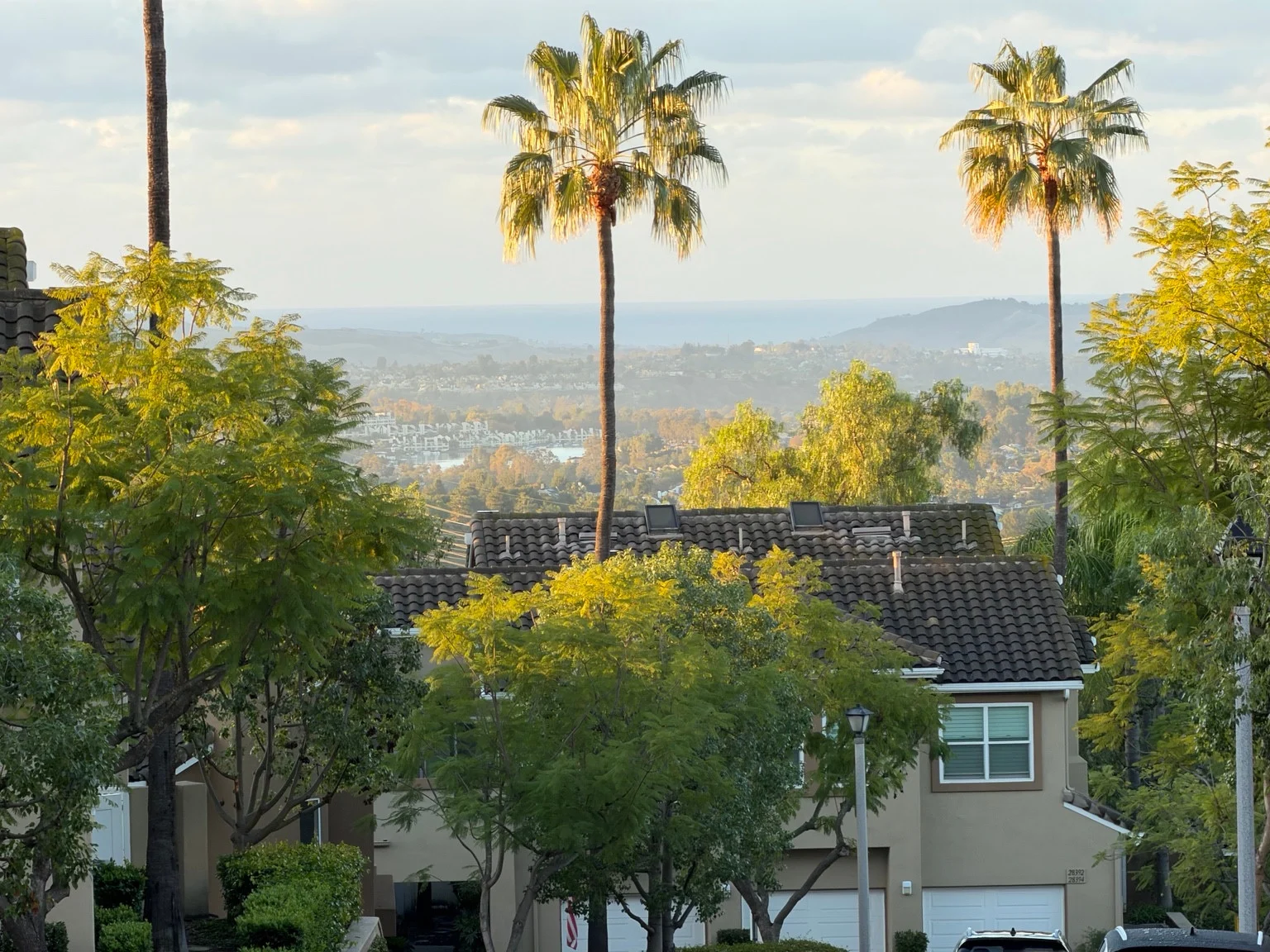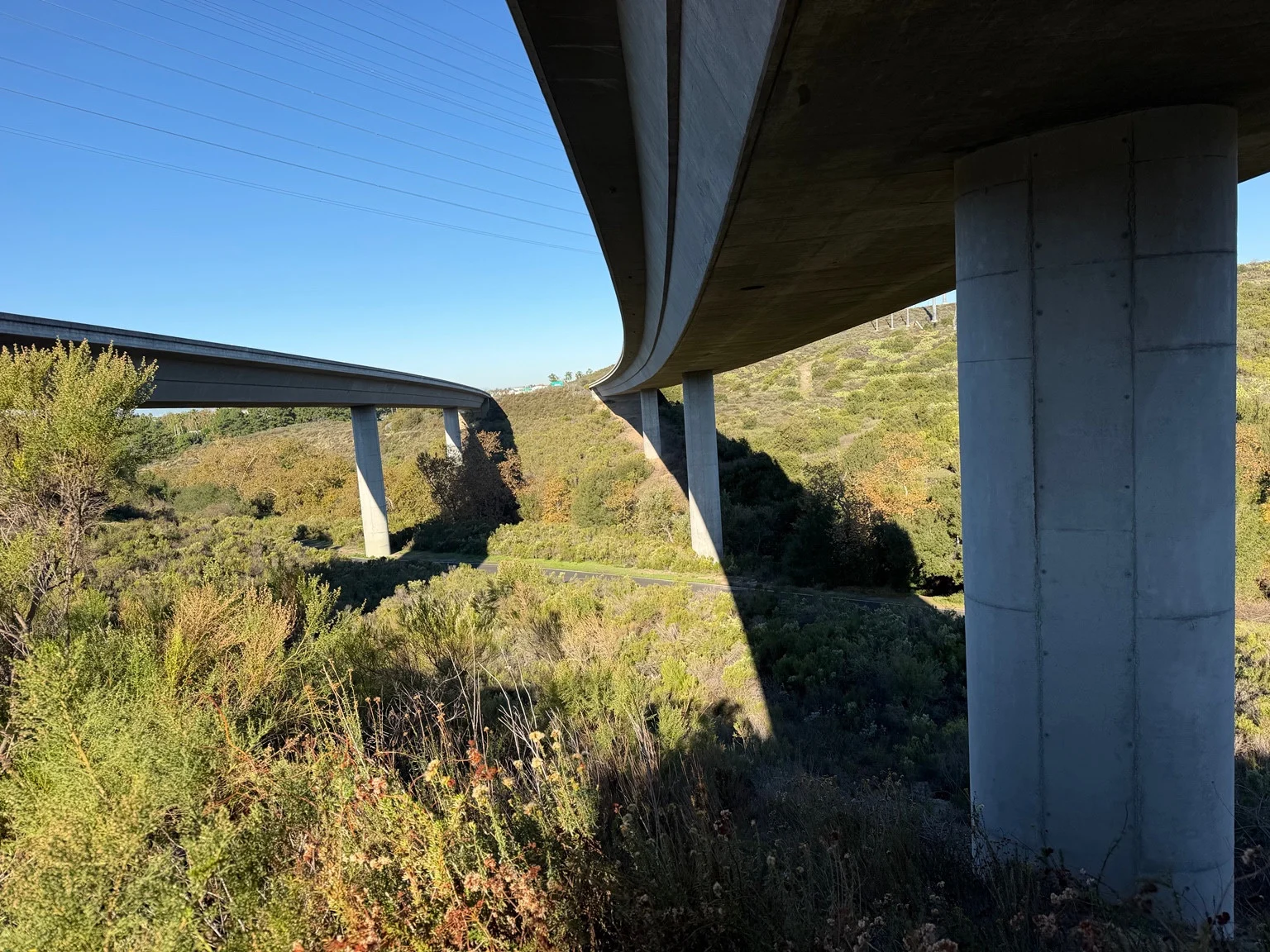
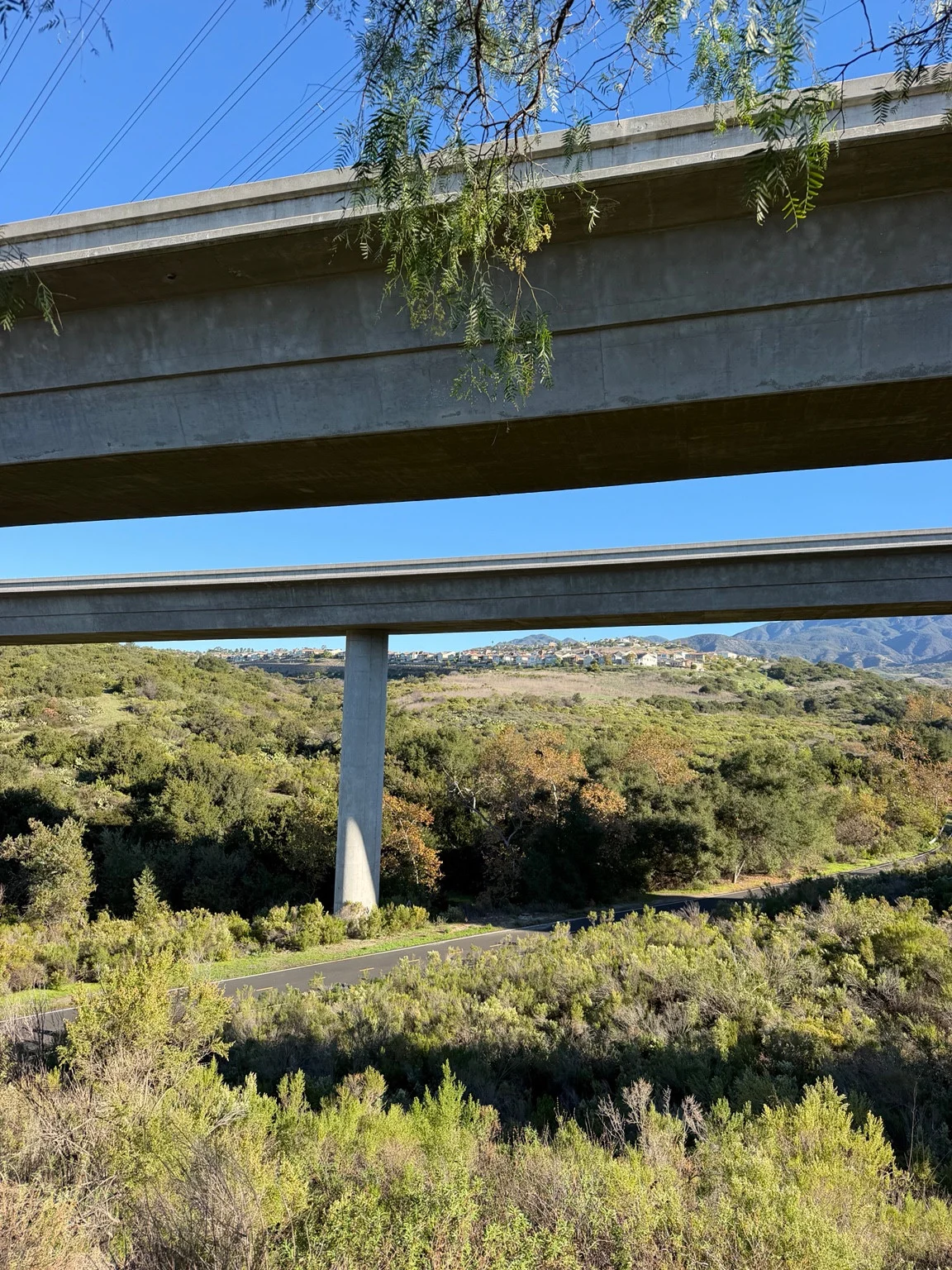
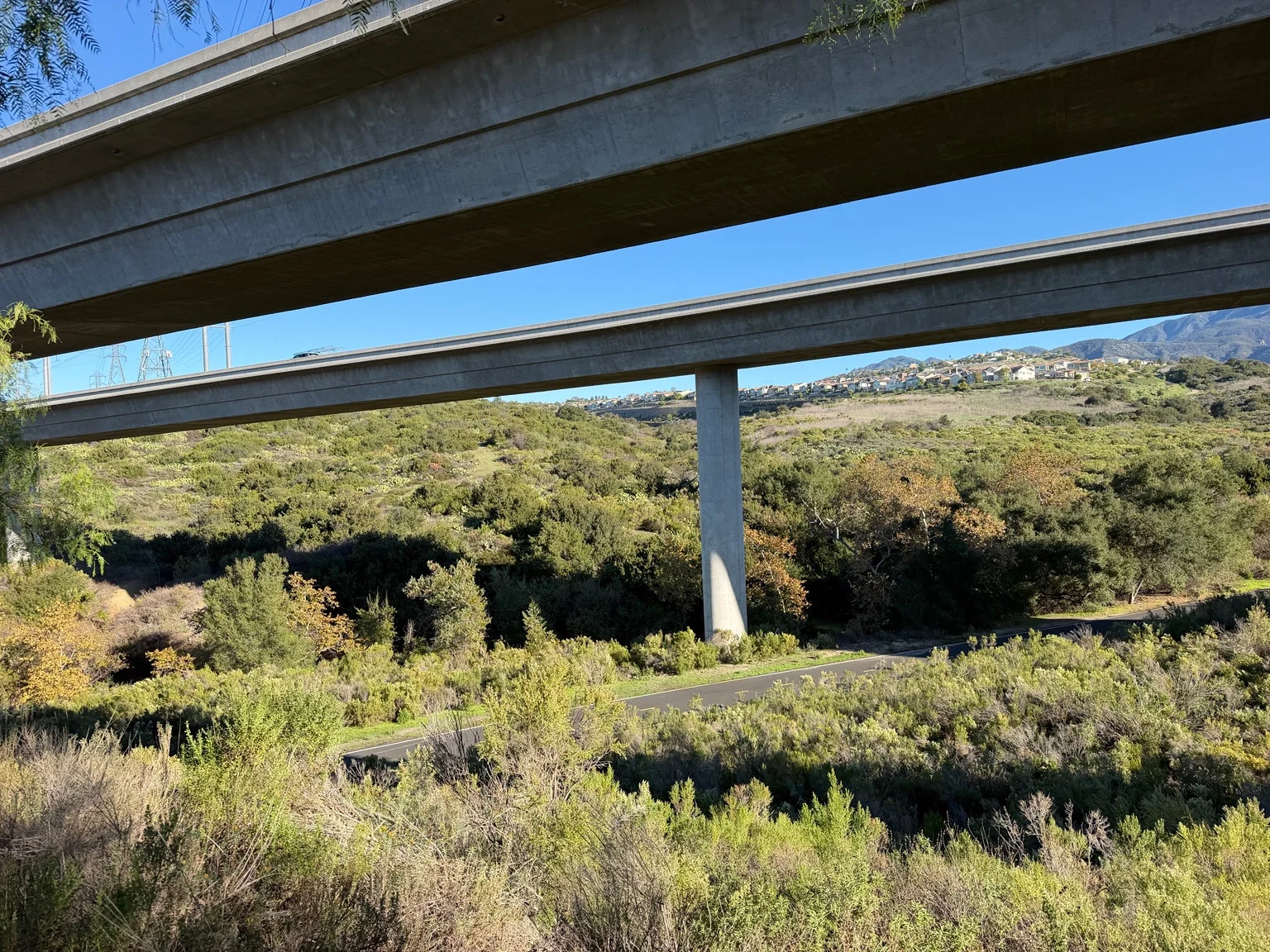
Concrete spans stretch across the canyon, framing a landscape of green brush, scattered trees and distant hills. In these photographs, the bridge is part of an ordinary Southern California scene: roads above, open space below, and neighborhoods along the surrounding ridgelines.
The photographs also prompted a more difficult question. A Montecido resident described the crossing as part of the 241 corridor and asked about a local story that several people had died by suicide there. It is a serious subject, and one that deserves more care than repeating a nickname or treating a rumor as history.
The reporting we reviewed documents a death associated with the 241 corridor. It does not establish a verified total for the structure in these photographs. The photographs themselves do not confirm its official name, and they should not be treated as evidence that a particular incident happened at this exact location.
What the historical reporting establishes
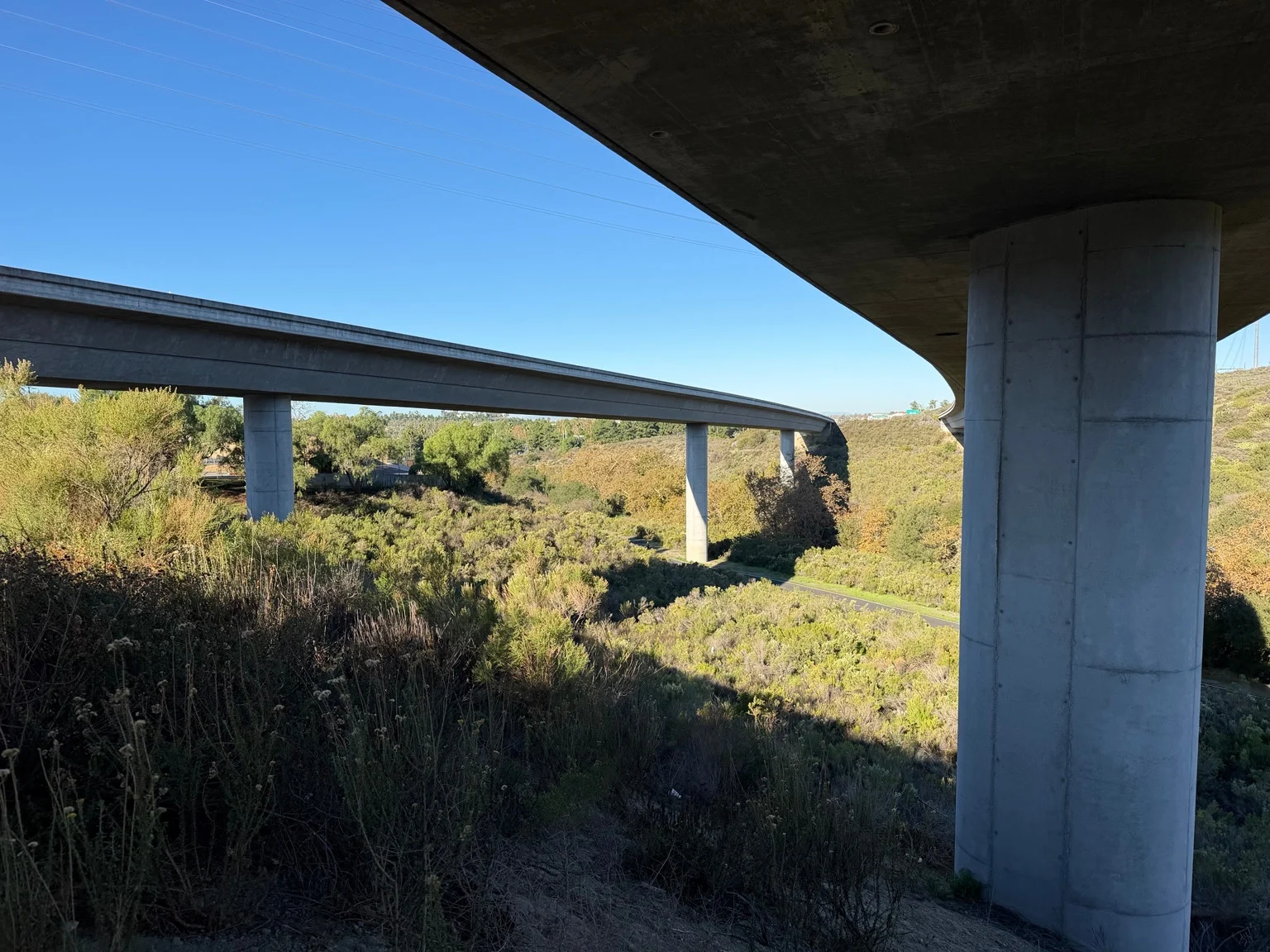
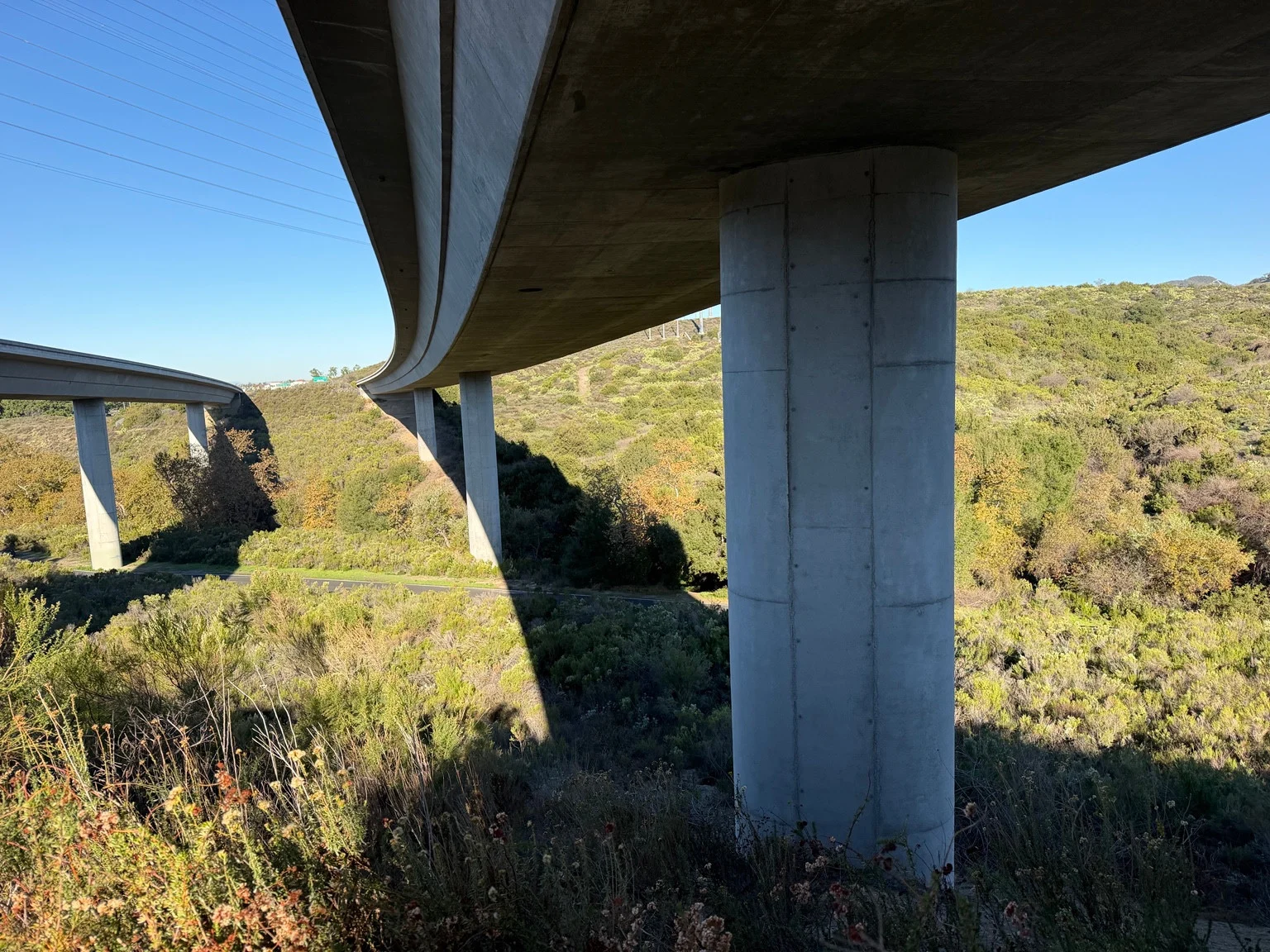
In January 2014, local news outlet Patch reported a death by apparent suicide associated with a bridge on the 241 toll road, citing information from law enforcement. That is historical reporting, not a report of a new incident today. It provides a basis for discussing a real community loss, but not for declaring that every version of the local story is accurate. Read the contemporary reporting.
A follow-up report illustrates why the distinction matters. It described two subsequent calls to authorities, but neither established another death: one concern was resolved after officers contacted the person, and the other search did not locate the reported person or a body. Calls, concerns and confirmed deaths are different kinds of information. They cannot simply be added together. Read the follow-up reporting.
Other local reports concern different bridges. Without matching a report to the correct structure, a familiar story can gradually become attached to the wrong place. For that reason, this article does not repeat an unverified death count or label the photographed crossing a suicide landmark.
A landscape, not a spectacle
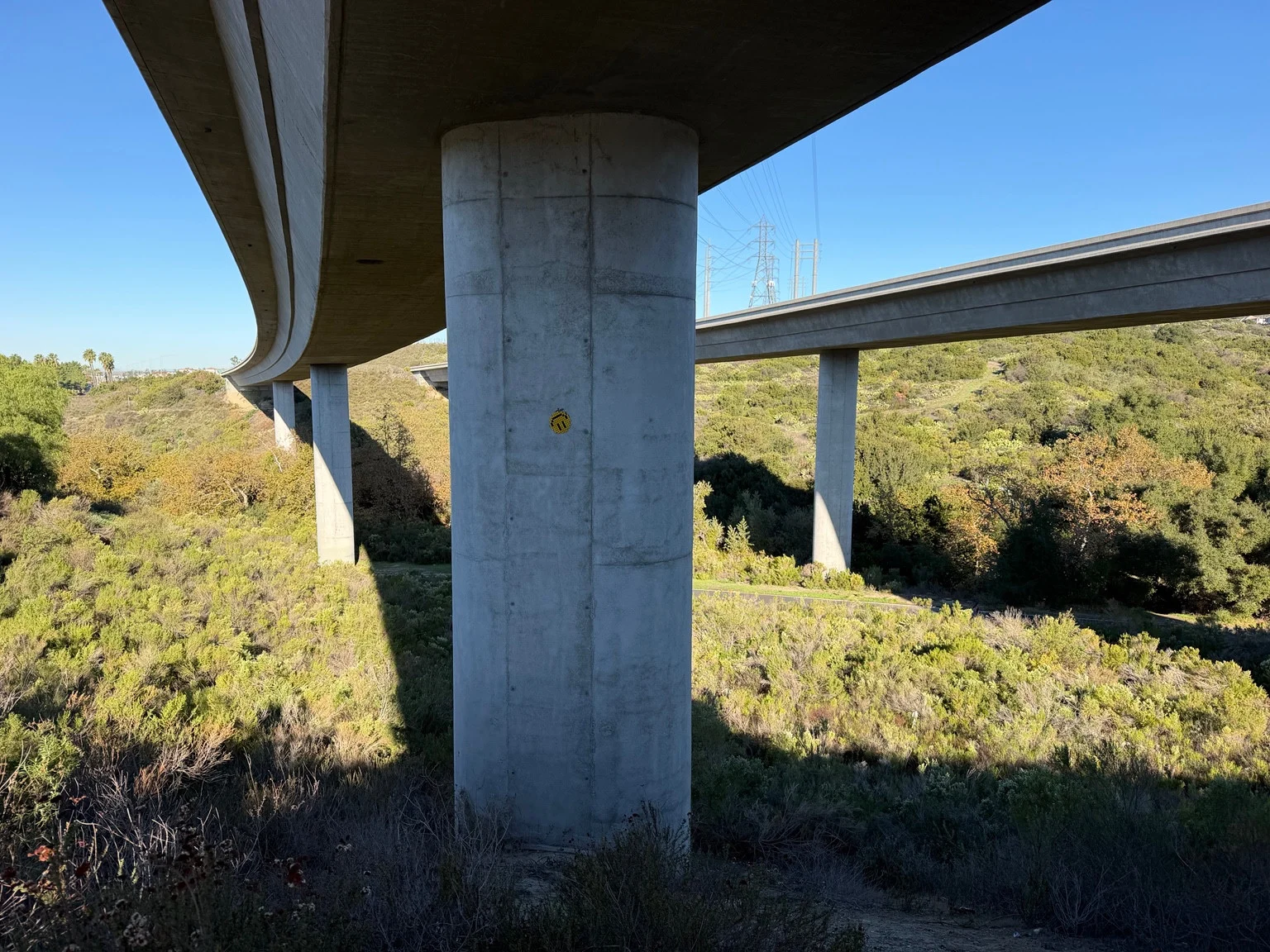
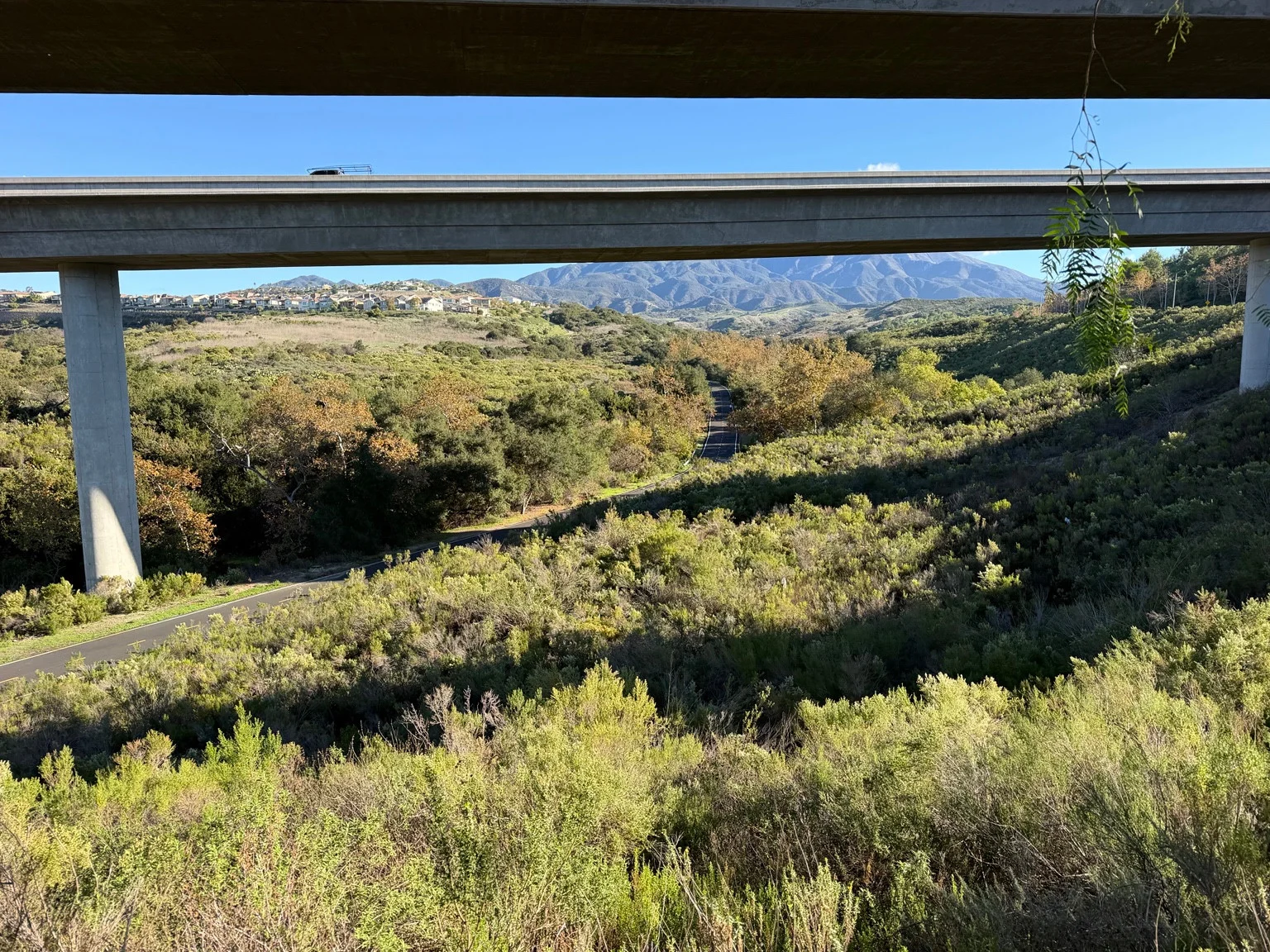
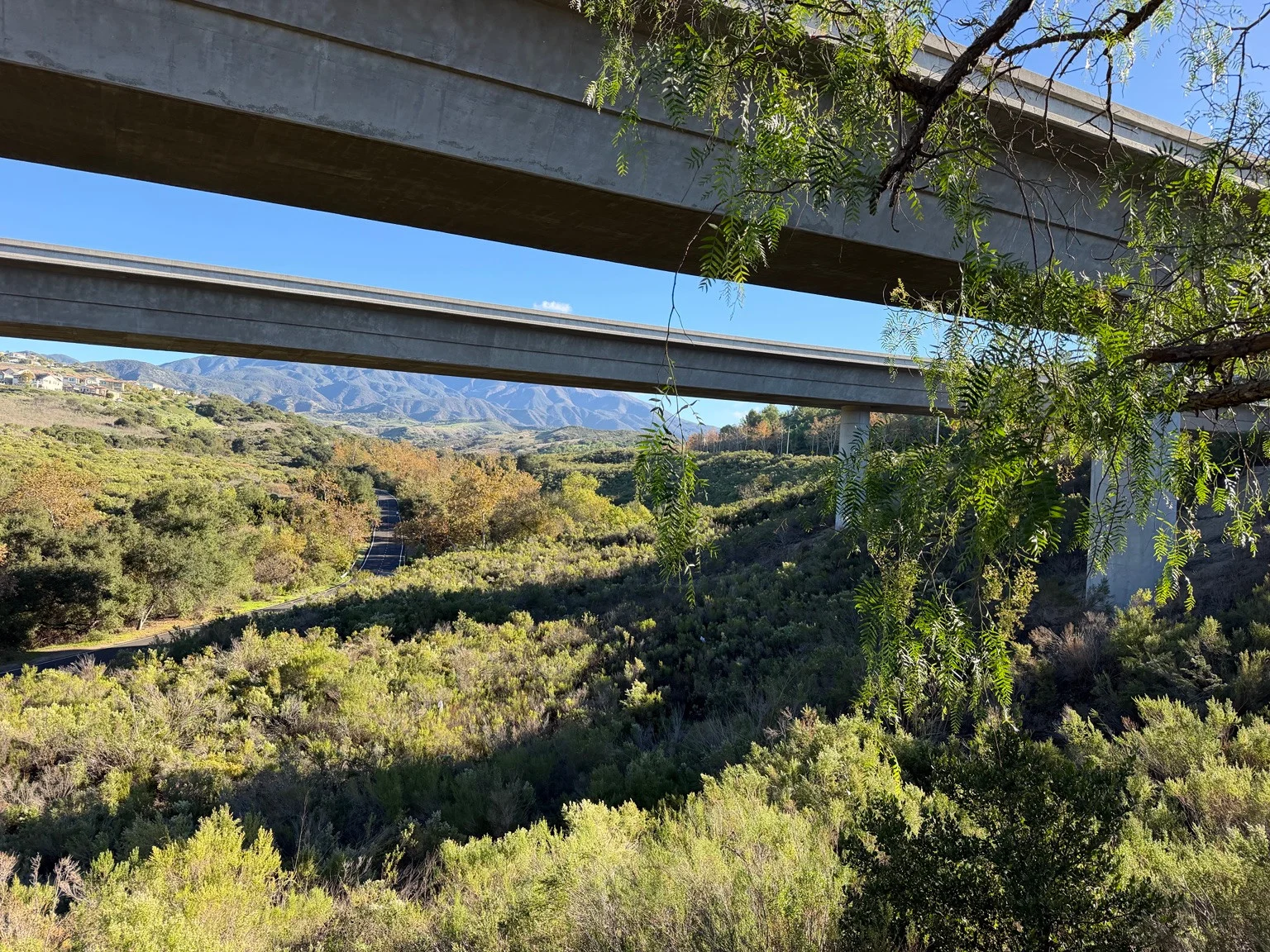
The images accompanying this story show the canyon and its infrastructure. They do not show an emergency, a memorial or a person in distress. Their value is in documenting the everyday landscape around our community, not illustrating how a tragedy occurred.
Behind any confirmed death is a person and a circle of family, friends and neighbors. Remembering that human reality matters more than giving a bridge a dramatic reputation. There is room to acknowledge loss without turning it into a legend, and room to ask questions without presenting unanswered questions as facts.
Looking out for one another
A useful community conversation can also point toward support. The 988 Suicide & Crisis Lifeline recommends listening without judgment, talking openly about concerns and helping someone connect with support. Its guidance is also intended for people worried about a friend or loved one. How to help someone else.
In the United States, anyone experiencing suicidal thoughts or emotional distress can call 988, text 988, or use online chat. A story about a difficult part of local history should leave readers with more than a rumor. It should leave them with accurate information, compassion and somewhere to turn.